Trim Work That Looks Intentional and Precise
Residential Carpentry & Millwork in Williamstown for homes needing custom built-ins and interior finish details that match existing architectural styles
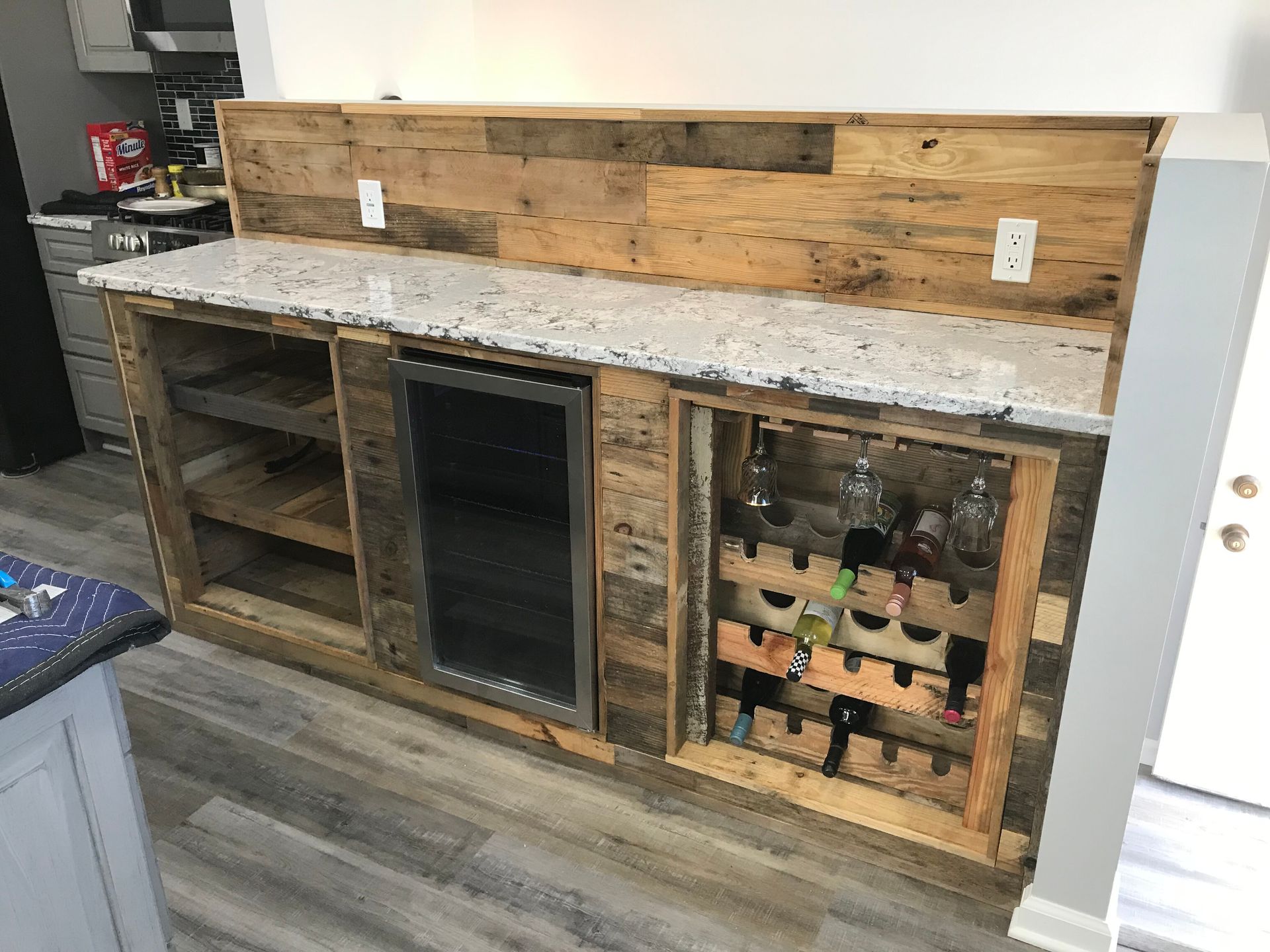
Older homes in Williamstown often have crown molding, baseboards, and door casings with profiles that aren't available at standard lumber yards, making it difficult to match existing trim when adding built-in shelving, wainscoting, or repairing damaged sections. Custom millwork solutions replicate original trim profiles or create new interior finish carpentry that complements the home's existing style without looking like an obvious addition. Robert J Bulman Construction LLC handles residential carpentry projects that include custom trim work, built-in shelving designed for specific wall dimensions, and crown molding installed with tight joints that don't gap over time as the house settles.
Interior finish carpentry involves measuring spaces precisely, cutting joints that fit without visible gaps, and installing trim so it remains flush against walls even where surfaces aren't perfectly flat. Wainscoting is applied with consistent spacing and level alignment, built-ins are constructed to exact dimensions so doors and drawers operate smoothly, and crown molding is coped at inside corners rather than mitered to prevent separation as wood expands and contracts with seasonal humidity changes.
Arrange an on-site consultation to discuss trim styles and built-in options for your home's interior spaces.
Why Coped Joints Work for Crown Molding
Crown molding installed with coped inside corners creates joints where one piece of trim is cut to fit the profile of the adjoining piece, allowing the two to nest together in a way that remains tight even as the wood moves slightly with humidity changes. Mitered corners, by contrast, often develop visible gaps within months because both pieces of wood are expanding or contracting, and any movement multiplies the gap at the joint. Custom trim work uses coping for inside corners and returns molding into walls at endpoints rather than leaving raw edges visible.
After installation completes, trim appears continuous with tight joints, baseboards sit flush against flooring without gaps underneath, and built-in shelving looks like it was designed with the room rather than added later. Crown molding follows the ceiling line without dips or waves, and painted or stained finishes show consistent color because the wood was prepared and primed before installation.
Built-in shelving projects also involve backing installed in walls to support weight, dado joints where shelves meet vertical supports for strength without visible fasteners, and face frames applied so doors and drawers align properly. Residential carpentry includes problem-solving for walls that aren't plumb or ceilings that aren't level, adjusting the installation so finished trim appears straight even when the structure behind it isn't.
What Property Owners Usually Ask
Residential carpentry and custom millwork projects raise questions about matching existing trim, installation methods, and how built-ins are constructed to fit specific spaces.
What is the difference between standard trim and custom millwork?
Standard trim is available in common profiles at lumber yards, while custom millwork is milled to match unique profiles found in older homes or designed specifically for a project, allowing exact replication of historical details or creation of one-of-a-kind built-ins.
How are built-in shelves secured to walls so they support weight safely?
Shelving units are attached to wall studs with screws or lag bolts, often with additional backing installed between studs during construction, and shelves themselves are supported by dados, cleats, or adjustable brackets depending on the design and expected load.
When should wainscoting be installed during a room renovation?
Wainscoting typically goes in after drywall is finished and painted but before flooring is installed, so the baseboard cap sits on top of the flooring and trim transitions appear intentional rather than added as an afterthought.
Why does crown molding sometimes develop gaps at corners over time?
Gaps develop when inside corners are mitered instead of coped, because both pieces of wood expand and contract with seasonal humidity changes in Williamstown, and any movement at a mitered joint becomes visible, while coped joints nest together and remain tight even as the wood moves.
What makes finish carpentry look professional rather than DIY?
Professional work includes tight joints with no visible gaps, trim that remains flush against surfaces even where walls aren't perfectly straight, consistent reveals around doors and windows, and fasteners that are countersunk and filled so they disappear under paint or stain.
Custom trim work and built-in shelving projects in Williamstown are completed by Robert J Bulman Construction LLC with attention to joinery and finish details that match your home's style. Contact us to review millwork options and measurements for your interior spaces.