Wiring That Handles Current Demand Safely
Electrical Services in Williamstown for insufficient capacity, outdated panels, and circuit failures
Circuit breakers that trip repeatedly, outlets that stop working, and panels with no room for additional circuits all point to electrical systems that no longer match how homes are used. Robert J Bulman Construction LLC handles electrical repairs, panel upgrades, lighting installation, and outlet and switch installation in Williamstown, along with new construction wiring and remodeling electrical work that brings systems up to current code requirements. Older panels with insufficient amperage or obsolete breaker types create safety risks and limit your ability to add loads like EV chargers, heat pumps, or kitchen appliances without overloading existing circuits.
This work involves assessing current electrical demand, determining whether service capacity needs upgrading, and installing circuits with proper wire gauge and breaker sizing for the loads they'll carry. Remodeling electrical work routes new wiring through existing wall cavities and ensures connections meet code for box fill, wire termination, and grounding.
Arrange an on-site consultation to review your panel capacity and identify which circuits need attention.
What Changes After Electrical Work Completes
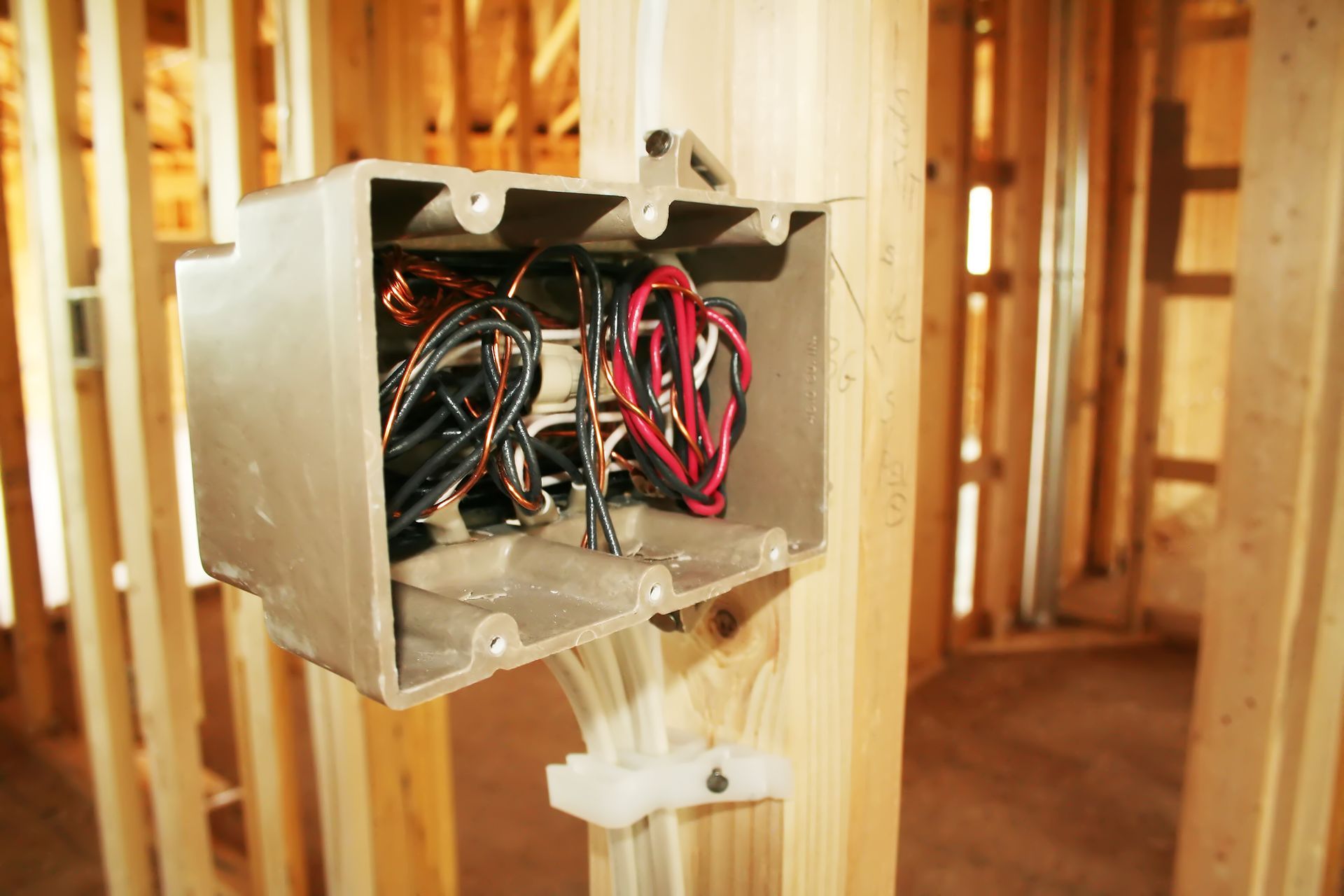
Electrical service begins with evaluating existing panel capacity and identifying circuits that are overloaded or improperly protected. Panel upgrades replace outdated breaker boxes with modern load centers that have adequate amperage and space for expansion, while new circuits get routed with appropriate conductor sizing and protection devices. Lighting installation includes fixture mounting, switch wiring with proper travelers for three-way control, and ensuring junction boxes are accessible and not buried behind finished surfaces.
Once electrical work finishes, you'll have circuits that don't trip under normal use, outlets that deliver stable power without voltage sag, and lighting that operates reliably from every switch location. New construction wiring gets inspected and approved before walls close, ensuring all connections are secure and boxes are positioned correctly for finish work. Fixture installation includes proper support for ceiling fans and heavy chandeliers, not just reliance on pancake boxes that weren't rated for the load.
Outlet and switch installation during remodels accounts for updated code requirements like AFCI protection in living areas and tamper-resistant receptacles throughout, along with GFCI protection in kitchens, baths, and exterior locations where moisture exposure creates shock hazards. Wire routing avoids thermal insulation contact where heat buildup would derate ampacity.
Common Questions About This Service
Electrical projects raise questions about safety, capacity, and what code compliance actually requires.
What indicates a panel upgrade is necessary rather than just adding circuits?
If your panel has no vacant breaker positions, uses obsolete breaker types no longer manufactured, or the main breaker amperage is insufficient for total connected load, replacement becomes necessary rather than just circuit addition.
How does new construction wiring differ from remodeling electrical work?
New construction allows routing before drywall installation, making wire runs straightforward, while remodeling requires fishing wire through closed walls and often involves more labor to conceal new circuits without extensive surface damage.
When should AFCI breakers be used in Williamstown homes?
Current code requires arc-fault protection in most living areas to reduce fire risk from damaged wire insulation or loose connections, and any circuit modifications typically trigger requirement for upgrading to AFCI even if original installation predates the mandate.
What causes outlets to work intermittently after installation?
Intermittent operation usually indicates loose wire terminations under screw terminals or backstabs, poor contact within the receptacle itself, or shared neutral connections that create voltage imbalance.
Why do some lighting installations flicker or buzz?
Flicker and buzz result from incompatible dimmer types for LED fixtures, loose connections at switch or fixture terminals, or undervoltage conditions when wire gauge is too small for the circuit length and load.
Robert J Bulman Construction LLC provides electrical services that address both immediate repair needs and long-term capacity requirements. Request an evaluation to determine what upgrades will support current and future electrical demand safely.