Water Systems That Function Without Failures
Plumbing Services in Williamstown for persistent leaks, low pressure, and aging supply lines
Low water pressure at fixtures, drain lines that back up frequently, and visible corrosion on supply pipes all signal plumbing systems approaching failure rather than just needing minor repairs. Fixture installation, water line replacement, and drain and pipe work from Robert J Bulman Construction LLC address both the immediate leaks and the underlying deterioration that causes them, particularly in homes where galvanized steel or polybutylene piping has reached the end of its service life. Kitchen and bath plumbing involves coordinating supply routing, drain slope, and vent connections so fixtures operate properly without slow drainage or sewer gas odors.
Plumbing repairs range from replacing worn valve cartridges and corroded fittings to re-routing sections of pipe where corrosion has reduced flow capacity or leaks have damaged surrounding structure. New construction plumbing involves installing complete supply and drain systems with proper venting, trap protection, and shutoff valves at each fixture for future maintenance access.
Schedule a property evaluation to identify which components need immediate attention and what replacements prevent future failures.
Why Plumbing Work Prevents Long-Term Problems
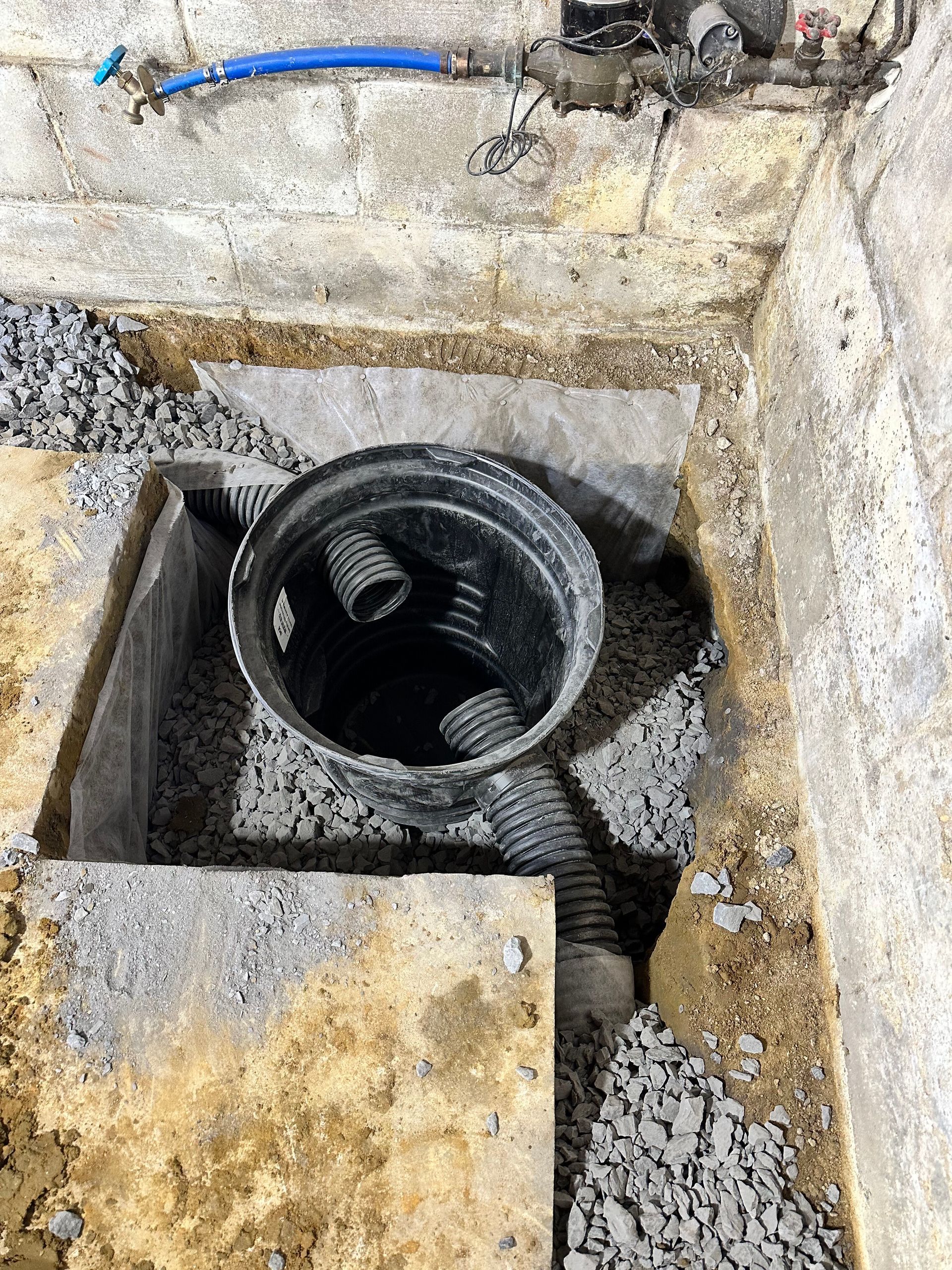
Effective plumbing work addresses not just visible leaks but the conditions that cause them, including water chemistry that accelerates corrosion, inadequate pipe support that leads to joint stress, and drain lines installed without proper slope or venting. Water line replacement typically involves transitioning from outdated materials to copper or PEX supply lines that resist corrosion and handle pressure fluctuations without cracking. Drain and pipe work ensures waste lines have continuous downward slope and proper vent connections that allow air into the system so drains flow freely without gurgling or slow drainage.
After plumbing work completes, you'll notice consistent water pressure at all fixtures, drains that clear immediately without standing water, and elimination of the musty odors or ceiling stains that indicated hidden leaks. Fixture installation includes setting toilets with proper wax ring seals and closet flange attachment, mounting sinks with adequate support beyond just countertop edges, and connecting faucets with supply lines that have shut-off valves for future service. Kitchen and bath plumbing gets pressure-tested before walls close to verify all connections are leak-free under operating conditions.
New construction plumbing also includes installing cleanouts at strategic points in drain lines, providing access for future maintenance without requiring wall or floor removal. Supply line routing avoids exterior walls in Williamstown installations where freezing could occur, and drain vents terminate above roof level to prevent blockage from snow or debris.
What Property Owners Usually Ask
Plumbing decisions involve understanding what's failing, what can be repaired, and when replacement makes more sense than ongoing patches.
What signals that water line replacement is necessary rather than just fixing leaks?
Multiple pinhole leaks, visible corrosion along pipe runs, or discolored water from corroding galvanized steel all indicate the pipe material itself is failing and will continue producing leaks faster than individual repairs can address them.
How does drain slope affect whether plumbing works correctly?
Drains installed with insufficient slope allow waste water to move too slowly, leaving solids behind that accumulate into blockages, while excessive slope creates flow that outruns the water and leaves waste stranded without enough liquid to carry it.
When should kitchen plumbing be upgraded during a remodel?
Kitchen remodels that relocate sinks or add fixtures like pot fillers and second dishwashers typically require both new supply routing and drain re-configuration to maintain proper venting and trap protection at all fixture locations.
What causes fixtures to drain slowly even after clearing blockages?
Slow drainage after clearing often results from venting problems that prevent air from entering the drain system, creating a partial vacuum that restricts flow regardless of whether the drain line itself is clear.
Why do some pipe repairs fail shortly after completion?
Repairs fail when deterioration extends beyond the patched section, when incompatible materials create galvanic corrosion at connections, or when water hammer from quick-closing valves stresses joints that weren't adequately supported.
Robert J Bulman Construction LLC evaluates entire plumbing systems to determine whether isolated repairs will resolve issues or whether larger replacements prevent recurring problems. Request a detailed assessment to understand what approach fits your home's current conditions and prevents future failures.