Decks Built to Handle New Jersey Weather
Deck Construction & Outdoor Living in Williamstown for aging wood decks showing rot at posts and ledger boards where water collects
Wood decks fail where water sits against structural members—at the ledger board where the deck attaches to the house, around posts set in concrete footings without proper drainage, and along joists that rest directly on ground-contact beams without airflow. New deck construction addresses these failure points by using flashing to direct water away from the ledger, setting posts in footings that allow water to drain rather than pool, and selecting materials based on exposure conditions. Robert J Bulman Construction LLC handles deck replacements and new builds in Williamstown using composite decking for low-maintenance surfaces and wood framing with galvanized or stainless hardware that won't corrode when exposed to humidity and temperature swings common in New Jersey.
Deck construction starts with footings dug below the frost line to prevent heaving during freeze-thaw cycles, followed by framing that's level and properly spaced to support decking without bounce. Composite decking is installed with hidden fasteners that don't rust or loosen, and railings are built to code height with balusters spaced to meet safety requirements while providing the sightlines you want.
Schedule a property evaluation to assess your current deck structure and discuss replacement or new construction options.
What Changes After Proper Flashing and Drainage Are in Place
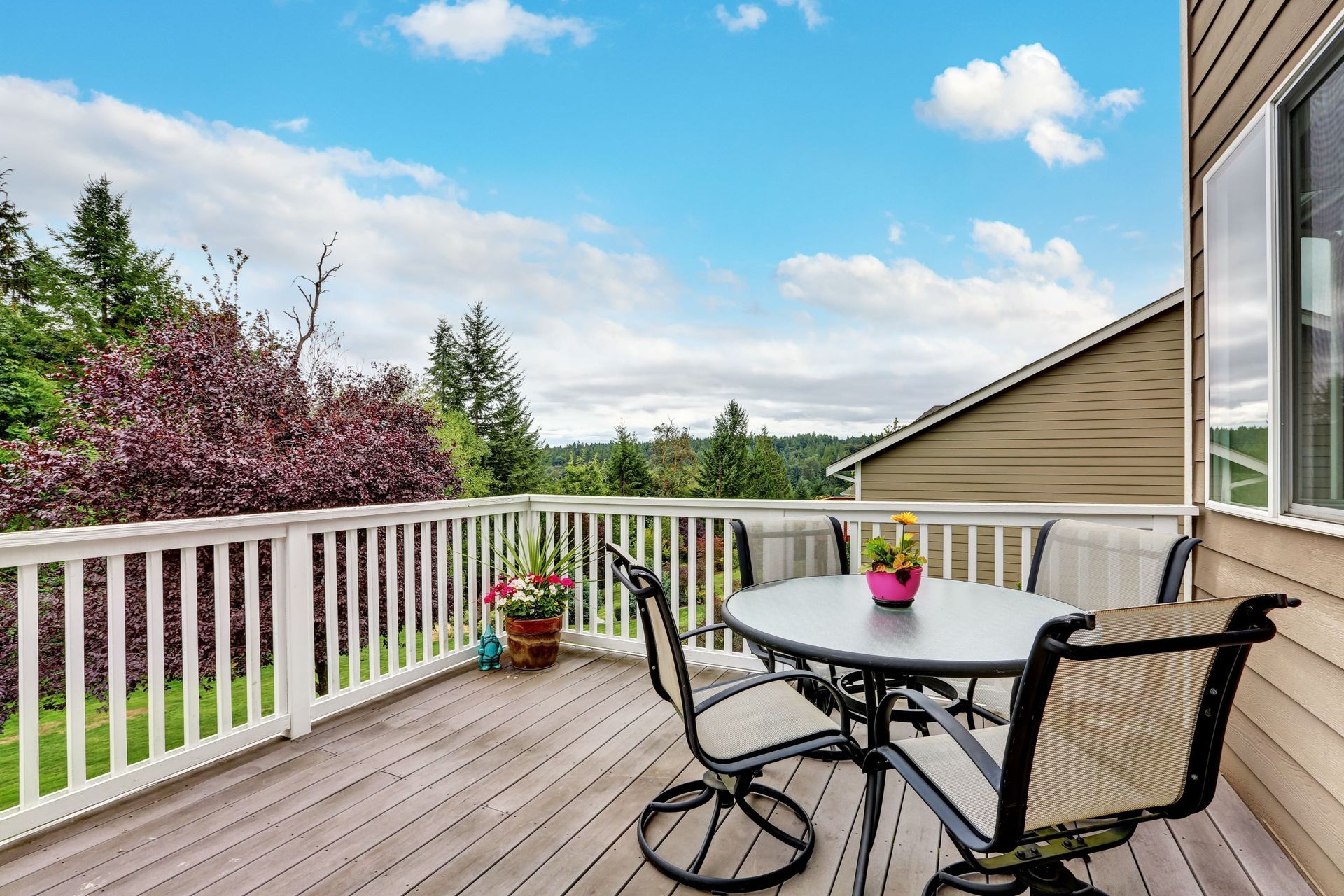
Proper deck installation includes metal flashing installed behind the ledger board to channel water down the exterior wall rather than into the house, and footings that extend above grade so posts don't sit in standing water during heavy rains. Composite decking resists moisture absorption, so boards don't warp, crack, or splinter over time the way untreated or improperly sealed wood does. Railings and stairs are built with connections that remain tight through seasonal temperature changes, and covered outdoor spaces extend usable time outside by providing shade and protection from light rain.
After construction completes, the deck remains level without sagging sections, posts stay solid without soft spots at the base, and the ledger connection stays dry because flashing prevents water intrusion. Composite decking requires only occasional washing rather than annual sanding and staining, and the surface stays cooler underfoot during summer compared to dark-stained wood that absorbs heat.
New deck construction also includes planning for electrical if you want outlets for lighting or entertainment systems, and integrating stairs that land on stable footings rather than settling into the ground over time. Covered outdoor spaces are framed to support roofing materials and may include ceiling fans or lighting installed during construction rather than retrofitted later.
Common Questions About This Service
Deck construction and replacement projects involve material choices, structural requirements, and maintenance considerations that affect longevity and appearance.
What is the advantage of composite decking over wood?
Composite decking resists moisture, doesn't require staining or sealing, won't splinter or crack, and maintains color longer than wood, though it costs more upfront and can feel hotter underfoot in direct sun depending on the product color.
How deep do deck footings need to be in Williamstown?
Footings must extend below the frost line, typically 36 inches in New Jersey, to prevent the deck from shifting when the ground freezes and thaws during winter, which would stress connections and cause the structure to become unlevel.
When should an existing deck be replaced rather than repaired?
Replacement is necessary when structural members like joists, beams, or the ledger board show rot or insect damage, when posts are unstable, or when the ledger connection has allowed water into the house framing, because these issues compromise safety and can't be fixed with surface repairs.
Why is flashing critical at the ledger board connection?
Flashing directs water away from the joint where the deck attaches to the house, preventing moisture from seeping behind siding and into wall cavities where it rots framing and leads to costly repairs that extend far beyond the deck itself.
What railing and stair requirements apply to deck construction?
Residential decks in New Jersey require railings on any platform more than 30 inches above grade, with balusters spaced no more than four inches apart to prevent small children from slipping through, and stairs must have consistent riser heights with handrails on both sides if the stairs are wider than a certain dimension.
Robert J Bulman Construction LLC builds new decks and replaces aging structures in Williamstown using composite or wood materials selected for durability and proper installation methods that prevent common failure points. Request a project estimate to review material options and structural requirements for your outdoor living space.